

JalbiteHealth Advice From JustALittleBite: How to Eat Healthy When You Are Busy


However, healthy eating does not require expensive ingredients or hours in the kitchen. With simple meal planning, convenient ingredients, and a few practical changes, nutritious meals can become part of even the busiest routine.
JalbiteHealth advice from JustALittleBite focuses on making healthy eating easier through practical food choices, simple recipes, and everyday nutrition habits. The goal is to help readers understand how small changes in meal preparation can support a balanced lifestyle.
This guide explores easy ways to eat healthy when busy, quick meal ideas, useful nutrition tips, and simple strategies for building a sustainable eating routine.
What Is JalbiteHealth Advice From JustALittleBite?
JalbiteHealth advice from JustALittleBite focuses on practical approaches to nutrition and healthy eating for people with demanding schedules.
The main idea is that nutritious food should be accessible and manageable. People do not always need complicated recipes or strict meal plans to make better food choices.
A balanced everyday meal generally includes different food groups:
-
Fruits and vegetables: Provide vitamins, minerals, and dietary fibre.
-
Protein: Foods such as eggs, beans, lentils, fish, chicken, and tofu support normal body functions.
-
Whole grains: Oats, brown rice, and whole-wheat bread provide energy and fibre.
-
Healthy fats: Nuts, seeds, and olive oil contribute to a varied eating pattern.
-
Dairy products: Milk and plain yoghurt provide nutrients such as calcium and protein.
Combining these foods can make meals more satisfying and nutritionally varied.
Why Is Healthy Eating Difficult for Busy People?
Many people understand the importance of nutritious food but struggle to maintain healthy eating habits.
Several everyday challenges contribute to this problem.
1. Limited Time for Cooking
Preparing meals involves shopping, washing ingredients, cooking, and cleaning. These tasks can become difficult when someone has a demanding daily schedule.
Preparing basic ingredients in advance can reduce cooking time during busy weekdays.
2. Dependence on Convenience Foods
Fast food and packaged snacks are convenient, especially when people are travelling or working.
However, regularly depending on foods high in added sugar, sodium, or saturated fat may make it harder to maintain a balanced eating pattern.
Convenient foods such as frozen vegetables, plain yoghurt, oats, and canned beans can also be useful options.
3. Irregular Eating Habits
Busy schedules can cause people to delay meals or forget to eat regularly.
Keeping simple snacks and prepared meals available can help make eating more consistent.
4. Poor Meal Planning
Without a basic food plan, deciding what to cook every day can become stressful.
Planning a few meals before the week begins makes grocery shopping and food preparation easier.
How JalbiteHealth Advice Can Help Improve Eating Habits
Healthy eating becomes more practical when people focus on manageable changes instead of unrealistic expectations.
Understand Basic Nutrition
People do not need advanced nutritional knowledge to start making better food choices.
Understanding basic food groups can help them create balanced meals using ingredients already available at home.
Prepare Ingredients in Advance
Meal preparation does not mean cooking every meal for the entire week.
Simple tasks such as washing vegetables, boiling eggs, preparing lentils, and cooking rice can save time.
Make Better Choices Outside the Home
When cooking is not possible, people can look for restaurant meals containing vegetables, grains, and suitable protein sources.
Checking menus before ordering can also make food decisions easier.
Complete Guide to Eating Healthy When Busy
Building a practical eating routine becomes easier when the process is divided into a few simple steps.
Step 1: Plan Meals for the Week
A weekly meal plan helps people decide what they will eat before their schedules become demanding.
For example:
| Day | Breakfast | Lunch | Dinner |
|---|---|---|---|
| Monday | Oats and banana | Dal and rice | Vegetable sandwich |
| Tuesday | Eggs and toast | Vegetable pulao | Chickpea salad |
| Wednesday | Yoghurt and fruit | Roti and vegetables | Vegetable omelette |
| Thursday | Vegetable poha | Dal and rice | Lentil soup |
| Friday | Peanut butter toast | Chickpea wrap | Vegetable khichdi |
This is an illustrative meal plan. Food choices should be adjusted according to individual preferences, allergies, and nutritional requirements.
Step 2: Prepare Ingredients Ahead of Time
Preparing ingredients before busy days can make cooking easier.
Useful preparation activities include:
-
Washing and cutting vegetables.
-
Cooking lentils and beans.
-
Preparing rice or other grains.
-
Washing seasonal fruits.
-
Organizing convenient snacks.
Store prepared ingredients safely and follow appropriate refrigeration and food-safety guidelines.
Step 3: Keep Healthy Foods Available
A well-organized kitchen makes everyday food choices more convenient.
Consider keeping these ingredients available:
-
Oats and whole-grain cereals.
-
Fresh and frozen vegetables.
-
Apples, bananas, and seasonal fruits.
-
Eggs and plain yoghurt.
-
Lentils, chickpeas, and beans.
-
Nuts and seeds.
-
Whole-wheat bread.
These foods can be combined to create different meals without extensive preparation.
Step 4: Drink Enough Water
Water is important for normal body functions. However, people may forget to drink regularly when concentrating on work or other responsibilities.
Keeping a reusable water bottle nearby can serve as a helpful reminder.
Individual fluid requirements vary depending on activity, climate, and health conditions.
Quick and Healthy Meal Ideas for Busy People
Healthy meals do not have to involve complicated cooking techniques. Several everyday options can be prepared with simple ingredients.
Quick Breakfast Ideas
Breakfast options that require relatively little preparation include:
-
Oatmeal with milk and fruit.
-
Plain yoghurt with nuts.
-
Boiled eggs with whole-wheat toast.
-
Vegetable poha.
-
Overnight oats.
These meals provide different nutrients and can fit into a busy morning.
Easy Lunch Options
Lunch should be convenient, particularly for people who work or study outside the home.
Some useful ideas include:
-
Vegetable and chickpea wraps.
-
Dal with rice.
-
Homemade vegetable sandwiches.
-
Rice bowls with beans.
-
Whole-grain pasta with vegetables.
Preparing lunch the previous evening can make mornings easier.
Simple Dinner Options
After a busy day, simple dinners can reduce cooking effort.
Examples include:
-
Vegetable khichdi.
-
Lentil soup with whole-grain bread.
-
Vegetable omelettes.
-
Homemade paneer wraps.
-
Chickpea and vegetable salad.
Frozen vegetables and previously prepared ingredients can make these meals quicker to assemble.
Convenient Snack Choices
Snacks can provide additional nourishment between meals when needed.
Some options include:
-
Fresh fruit.
-
Unsalted nuts.
-
Plain yoghurt.
-
Roasted chickpeas.
-
Whole-grain crackers.
-
Vegetable sticks with hummus.
Useful Tips for Maintaining Healthy Eating Habits
A few small changes can make everyday nutrition easier to manage.
Create a Grocery List
Write down the ingredients needed for the week’s meals before shopping.
Check existing kitchen supplies to avoid purchasing unnecessary items.
Choose Fresh, Frozen, and Canned Foods
Fresh produce is useful, but frozen and canned options can also save preparation time.
Frozen vegetables can be added to soups, rice dishes, and other meals. Canned beans and chickpeas are convenient protein and fibre sources.
Check product labels for added salt, sugar, and sauces.
Use Leftovers Creatively
Leftovers can become ingredients for another meal.
For example, cooked chickpeas can be added to salads, wraps, or homemade curries. Extra vegetables can be used in sandwiches or rice dishes.
Read Food Labels
Packaged foods can differ significantly in their nutritional content.
Checking ingredient lists and nutrition labels helps people understand the amounts of sodium, added sugar, fibre, and other nutrients in different products.
Avoid Unrealistic Meal Plans
A complicated eating schedule may be difficult to maintain.
Instead, choose familiar foods and recipes that fit the available time, budget, and cooking facilities.
Benefits of Planning Healthy Meals
Meal planning offers several practical advantages beyond saving cooking time.
Saves time: Preparing ingredients beforehand reduces repeated kitchen work.
Makes shopping easier: A grocery list helps people purchase the ingredients they actually need.
Encourages food variety: Planning meals makes it easier to include different vegetables, fruits, grains, and protein sources.
Reduces food waste: Using available ingredients and leftovers helps prevent food from being forgotten.
Supports consistent habits: Having convenient meals available makes it easier to maintain a balanced eating routine.
Common Healthy Eating Mistakes to Avoid
Even people who want to improve their nutrition can develop habits that make healthy eating more difficult.
Skipping Meals Regularly
Busy schedules can cause people to forget meals. Keeping convenient food options available can help address this problem.
Depending Only on Packaged Snacks
Packaged snacks can be convenient, but relying on a limited range of foods may reduce dietary variety.
Include fruits, vegetables, whole grains, and protein-rich options where possible.
Making Cooking Too Complicated
Healthy meals do not require expensive ingredients or complicated recipes. Simple combinations of everyday foods can provide useful nutrients.
Ignoring Food Quality
Not every product marketed as healthy has the same nutritional value. Reading labels helps people make more informed choices.
How to Build Your Own Healthy Eating Routine
A practical routine should match individual schedules and food preferences.
Here is a simple approach:
-
Review the weekly schedule: Identify days when cooking time will be limited.
-
Choose easy meals: Select familiar breakfast, lunch, and dinner options.
-
Prepare a grocery list: Include vegetables, fruits, grains, and protein foods.
-
Prepare basic ingredients: Wash vegetables, cook lentils, and organize snacks.
-
Review the routine: Keep meals that work well and replace inconvenient options.
The purpose is not to follow a perfect meal plan. It is to develop eating habits that remain manageable over time.
Frequently Asked Questions
1. What Is JalbiteHealth Advice From JustALittleBite?
It is the main topic of this guide, focusing on practical nutrition advice, easy meal preparation, healthy food choices, and eating well despite a busy lifestyle.
2. How Can Someone Eat Healthy With a Busy Schedule?
Planning meals, preparing ingredients in advance, keeping convenient foods available, and choosing balanced meals can make healthy eating easier.
3. What Are Some Quick Healthy Breakfast Options?
Oatmeal, fruit with plain yoghurt, eggs with whole-wheat toast, vegetable poha, and overnight oats are convenient options.
4. Which Foods Should Be Available at Home?
Useful options include seasonal fruits, vegetables, oats, lentils, beans, eggs, nuts, seeds, yoghurt, and whole-grain bread.
5. Is Meal Preparation Necessary?
No. Meal preparation is optional, but preparing a few ingredients in advance can reduce cooking time and simplify everyday meals.
6. Are Frozen Vegetables Good for Healthy Eating?
Yes. Frozen vegetables can provide useful nutrients and are convenient for quick meals. Check labels for added salt and sauces.
7. How Can People Eat Healthy While Travelling?
Carrying suitable snacks, drinking water, checking restaurant menus, and choosing meals with vegetables and protein can help.
8. Can Healthy Eating Be Affordable?
Yes. Seasonal produce, lentils, beans, rice, oats, and eggs can form part of nutritious and affordable meals.
9. How Can Meal Planning Reduce Food Waste?
Planning meals helps people use existing ingredients, purchase appropriate quantities, and include leftovers in future meals.
10. Where Can Readers Find More Nutrition Advice?
Readers can explore JalbiteHealthAdvice.com for general information about nutrition, fitness, healthy eating, and everyday wellness.
Conclusion
Eating healthy when busy does not require a complicated routine. Simple meal planning, convenient ingredients, and realistic food choices can make nutritious eating easier to maintain.
The most important step is to focus on consistency rather than perfection. Preparing a few ingredients, keeping healthy options available, and choosing balanced meals can gradually improve everyday eating habits.
The central idea behind JalbiteHealth advice from JustALittleBite is that small, practical food choices can make a difference in daily life.
Explore more health, nutrition, and lifestyle guides at JalbiteHealthAdvice.com to continue learning about practical ways to support everyday well-being.
Medical Disclaimer: This article is for general educational purposes only and does not replace professional medical or nutritional advice. Consult a qualified healthcare professional for individual health concerns.


JalbiteHealth Guide by JustALittleBite: Simple Tips for Better Nutrition


JalbiteHealth Guide to Starting a Healthy Routine: 7 Easy Steps for Beginners

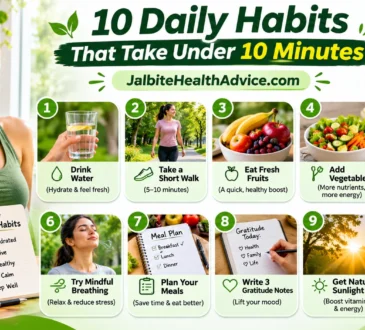
Useful Advice JalbiteHealth Readers Love: 10 Daily Habits That Take Under 10 Minutes


cilxarhu677 moisturizer product Review 2026: Benefits, Ingredients, Safety, Results, and Real Value


Is Zealpozold Safe? A Complete Guide for Smart and Responsible Users


