
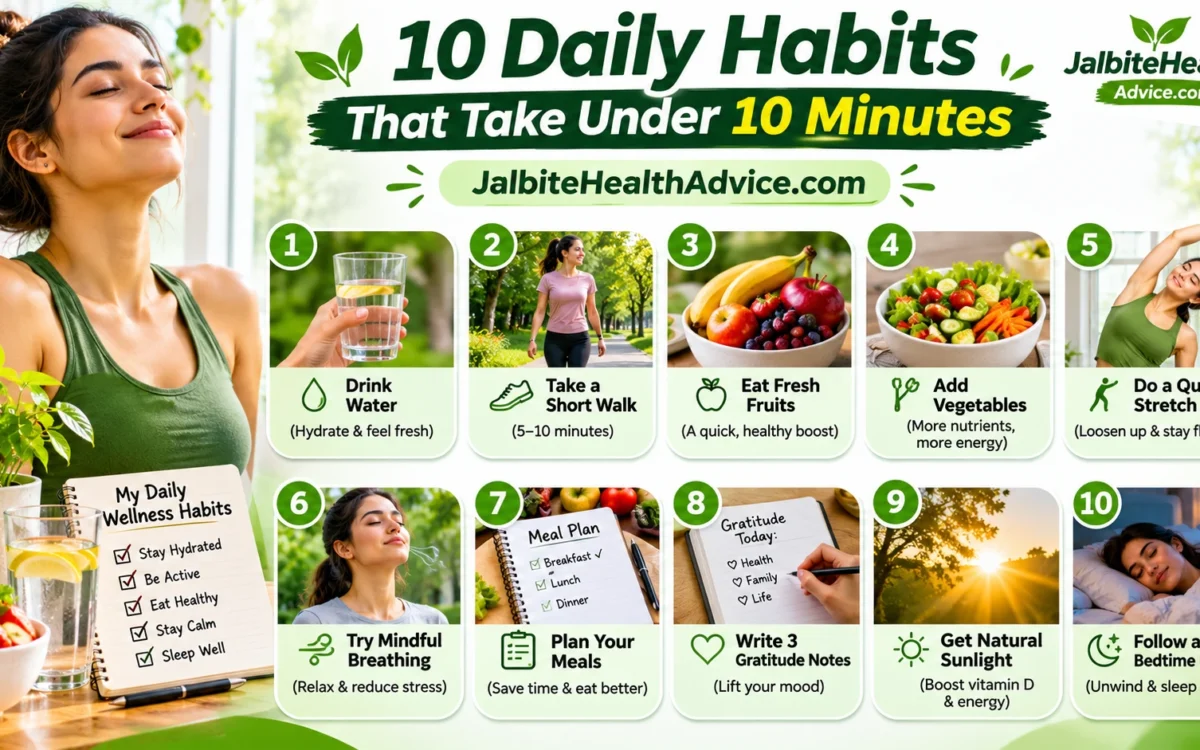
Useful Advice JalbiteHealth Readers Love: 10 Daily Habits That Take Under 10 Minutes


Many people want to improve their health but struggle to find enough time between work, studies, family responsibilities, and other commitments. This is why small, manageable habits can be a practical starting point. Instead of trying to change everything at once, people can focus on simple actions that fit naturally into their existing routines.
The useful advice JalbiteHealth readers look for focuses on realistic wellness suggestions that are easy to understand and apply. From drinking water in the morning to taking short walking breaks, these small activities can support a more balanced lifestyle without requiring expensive equipment or complicated schedules.
This guide explores 10 daily habits that take under 10 minutes, explains why they matter, and shares practical ways to include them in everyday life.
What Is Useful Advice for Everyday Health?
Useful health advice is information that helps people make practical decisions about their daily habits, nutrition, physical activity, sleep, and general well-being.
Not every wellness recommendation needs to involve a major lifestyle change. Simple actions can also help people become more aware of their routines and identify areas where improvements may be useful.
For example, preparing a healthy snack, taking a short movement break, or spending a few minutes planning the next day’s meals are manageable activities that can fit into a busy schedule.
The JalbiteHealth approach emphasizes three important principles:
-
Simplicity: Choose activities that are easy to understand and follow.
-
Consistency: Repeat manageable habits instead of depending on occasional motivation.
-
Flexibility: Adjust daily routines according to personal schedules and needs.
These principles make everyday wellness more approachable, especially for beginners.
Why Small Daily Habits Matter
A common misconception about healthy living is that meaningful improvements require hours of exercise or strict daily schedules. In reality, everyday activities also contribute to overall lifestyle patterns.
Short activities can provide convenient opportunities to move, relax, organize meals, and pay attention to personal well-being.
For example, a short walk can break up a long period of sitting, while a few minutes of meal planning can make food choices easier later in the day.
Small habits are useful because they:
-
Require relatively little time.
-
Can fit into existing daily activities.
-
Help create structure and consistency.
-
Make lifestyle improvements feel more manageable.
-
Provide opportunities to build additional healthy habits gradually.
However, these activities should not be mistaken for a complete substitute for recommended physical activity, sufficient sleep, balanced nutrition, or appropriate healthcare.
10 Daily Habits That Take Under 10 Minutes
The following habits offer simple starting points for anyone interested in improving everyday wellness. Each activity can be adjusted according to personal preferences, schedules, and health needs.
1. Drink a Glass of Water After Waking Up

After waking up, drinking a glass of water is a simple way to begin the day with hydration.
The body continuously uses water throughout the day and night. Adequate hydration supports normal body functions, including temperature regulation, digestion, and circulation.
This habit does not require a complicated routine. Keeping a glass or reusable water bottle somewhere convenient can make it easier to remember.
How to make it a daily habit:
-
Keep drinking water accessible in the morning.
-
Drink according to your thirst and individual hydration needs.
-
Include water regularly throughout the day.
-
Adjust fluid intake according to activity, weather, and medical guidance.
There is no requirement to drink a fixed amount immediately after waking. Individual hydration needs differ.
2. Take a Short Walk After a Meal

A short walk after eating can be an easy way to include more movement in an otherwise busy day.
Many people spend long periods sitting at desks, studying, or working from home. Walking for a few minutes offers an opportunity to interrupt extended sitting and enjoy some fresh air.
A beginner can start with a comfortable five- or ten-minute walk, depending on their schedule and physical ability.
Simple ways to include walking:
-
Walk around the neighbourhood after lunch.
-
Take a short walk during a work break.
-
Walk around the house after dinner.
-
Choose a comfortable pace rather than trying to walk quickly.
The goal is to make movement a regular part of the day, not to turn every walk into a demanding workout.
3. Add One Vegetable or Fruit to a Meal
Improving everyday nutrition does not always require changing an entire meal plan.
Adding a serving of vegetables or fruit to an existing meal is a straightforward way to introduce more variety into daily eating habits.
Vegetables and fruits provide important nutrients, including dietary fibre, vitamins, and minerals. Different varieties offer different nutritional benefits, so eating a range of options is useful.
Try these simple ideas:
-
Add cucumber or tomato to a sandwich.
-
Include leafy vegetables with lunch.
-
Keep fresh fruit available for a convenient snack.
-
Add seasonal vegetables to a regular dinner.
Choosing accessible foods that fit personal preferences and dietary needs makes this habit easier to maintain.
4. Practise Slow Breathing for a Few Minutes
Busy schedules can leave people feeling mentally occupied throughout the day. Taking a few minutes for comfortable, slow breathing can create a short opportunity to pause and relax.
This activity does not require equipment or a special location.
A simple breathing routine:
-
Sit comfortably in a quiet place.
-
Relax the shoulders and jaw.
-
Breathe gently and naturally.
-
Allow the breathing rhythm to remain comfortable.
-
Continue for two or three minutes.
There is no need to force deep breaths or hold the breath. Stop if the exercise causes discomfort.
5. Spend Five Minutes Planning Tomorrow’s Meals
Deciding what to eat at the last minute can make everyday meal preparation more difficult.
A few minutes of planning can help people identify available ingredients, organize shopping needs, and think about balanced meal choices.
This does not require a strict diet chart. A simple note about breakfast, lunch, dinner, or snacks may be enough.
Useful planning ideas:
-
Check which ingredients are already available.
-
Decide what to prepare for the next meal.
-
Include a variety of food groups.
-
Prepare ingredients in advance when convenient.
-
Keep personal preferences and dietary requirements in mind.
A little preparation can make food decisions easier during busy days.
6. Stretch After Long Periods of Sitting
Sitting for long periods can make everyday movement feel less comfortable. Gentle stretching provides an opportunity to change positions and move different parts of the body.
A short stretching break can include comfortable shoulder rolls, gentle neck movements, or standing stretches.
A simple routine might include:
-
Gentle shoulder rolls.
-
Comfortable arm stretches.
-
Standing and reaching upward.
-
Light movement of the ankles and legs.
-
A short walk around the room.
Avoid forcing any movement or stretching into discomfort. People with injuries or mobility limitations should choose suitable movements with professional guidance when needed.
7. Take a Short Break From Screens
Digital devices are part of everyday life, but continuous screen use can make it difficult to take regular breaks.
Stepping away from a screen for a few minutes gives people an opportunity to change activities and rest their attention.
During a short break, someone might:
-
Look away from the screen.
-
Walk around the room.
-
Read a few pages of a book.
-
Spend time with a family member.
-
Sit somewhere comfortable without checking notifications.
These short breaks can also make it easier to create boundaries between work, study, and personal time.
8. Prepare a Healthy Snack in Advance
Having convenient food options available can make everyday eating decisions easier.
Instead of waiting until hunger becomes uncomfortable, people can prepare a simple snack using ingredients they already enjoy.
Some practical options include:
-
Fresh fruit.
-
Plain yoghurt.
-
A small portion of nuts.
-
Vegetable sticks.
-
Whole-grain toast.
-
Other suitable foods based on individual dietary needs.
The best snack depends on personal preferences, allergies, nutritional requirements, and availability.
A few minutes of preparation can make it easier to choose something convenient when the day becomes busy.
9. Write Down Three Important Tasks for the Day
A busy schedule can sometimes make it difficult to decide what needs attention first.
Writing down three important tasks can provide a simple way to organize the day without creating an overly complicated schedule.
For example, a daily list might include:
-
Prepare meals for the day.
-
Complete an important work or study activity.
-
Make time for a short walk.
The list should reflect realistic priorities rather than becoming another source of pressure.
This habit is especially useful for people who prefer having a clear starting point for their daily responsibilities.
10. Create a Simple Bedtime Routine
A relaxing bedtime routine can help people transition from daily activities to rest.
Rather than making several changes at once, beginners can choose a few simple activities that make evenings more predictable.
Some useful ideas include:
-
Preparing clothes for the next morning.
-
Organizing the bedroom.
-
Reading a few pages of a book.
-
Reducing stimulating screen activities.
-
Setting a consistent bedtime reminder.
A short bedtime routine is not a replacement for sufficient sleep. The amount of sleep needed depends on age and individual circumstances.
How to Make These 10 Habits Part of Everyday Life
Knowing about healthy habits is useful, but finding ways to practise them consistently is what makes a routine practical.
Beginners should avoid treating all ten activities as daily requirements. Instead, they can choose the habits that fit their schedules and gradually introduce others.
Start With Two or Three Habits
Choose activities that require little preparation. For example, drinking water in the morning, taking a short walk, and planning meals can be convenient starting points.
Connect New Habits With Existing Activities
A new activity can be easier to remember when connected to something already happening.
For example:
-
Drink water after getting ready in the morning.
-
Stretch after finishing a work session.
-
Prepare a snack before starting an afternoon activity.
-
Plan meals while organizing the next day’s schedule.
Keep a Simple Habit Tracker
A notebook or basic checklist can help people review their routines. Tracking should be simple and should not become another daily obligation.
Adjust Habits When Necessary
Not every activity will suit every schedule. Some people may prefer morning walks, while others find evening movement more convenient.
The purpose is to develop a routine that works in real life rather than follow a schedule that becomes difficult to maintain.
A Simple Daily Wellness Plan for Beginners
Here is an example of how several short habits can fit into an ordinary day.
| Time | Simple activity | Approximate time |
|---|---|---|
| Morning | Drink a glass of water | 1 minute |
| Morning | Write three daily priorities | 3 minutes |
| Breakfast | Add fruit to a meal | 2 minutes |
| Afternoon | Take a short walking break | 5–10 minutes |
| Afternoon | Practise comfortable breathing | 3 minutes |
| Evening | Prepare tomorrow’s snack | 5 minutes |
| Night | Follow a relaxing bedtime routine | 5 minutes |
This is only an example. People can change the order, timing, and activities according to their needs.
Common Mistakes to Avoid When Building Healthy Habits
Even simple habits can become difficult when people approach them with unrealistic expectations.
Trying to follow all ten habits immediately: Introducing too many activities at once can make a routine feel unnecessarily demanding. Begin with a few manageable choices.
Ignoring personal schedules: A routine designed around someone else’s lifestyle may not work for everyone. Choose convenient times and activities.
Expecting immediate results: Healthy lifestyle habits are not instant solutions. Their value comes from being incorporated into a balanced routine over time.
Confusing short activities with complete exercise requirements: A few minutes of movement are useful, but short walks and stretches do not automatically meet all recommended physical activity needs.
Following every popular wellness trend: Online recommendations are not always appropriate for every individual. Choose practical habits supported by reliable information.
Why Consistency Matters More Than a Perfect Schedule
A daily routine should support everyday life rather than make it more complicated.
Some days may include several healthy activities, while other days may be busier. This variation is normal. What matters is having realistic habits that can be returned to when the schedule allows.
For example, someone who misses an evening walk can choose another convenient time for movement. Similarly, a meal that does not go according to plan does not mean that future meals cannot be balanced.
Useful advice JalbiteHealth readers can apply is simple: choose manageable actions, understand personal needs, and make gradual improvements instead of chasing perfection.
Conclusion
Healthy living does not always require major lifestyle changes. Sometimes, simple activities that take less than ten minutes can provide an easy starting point for improving everyday habits.
From drinking water and adding vegetables to meals to taking walking breaks, practising slow breathing, and preparing for better sleep, these ten habits offer practical ways to make daily wellness more manageable.
The useful advice JalbiteHealth shares is based on a simple idea: small, realistic actions are easier to incorporate into everyday life than complicated routines.
Beginners do not need to follow every suggestion immediately. Choosing two or three suitable habits and gradually building from there can be a more practical approach.
Explore more health, fitness, nutrition, and lifestyle guidance at JalbiteHealthAdvice.com to discover simple ways to support everyday well-being.
Frequently Asked Questions
1. What is useful advice JalbiteHealth recommends?
JalbiteHealth focuses on practical wellness suggestions, including balanced eating, hydration, physical activity, stress management, sleep habits, and simple ways to improve everyday routines.
2. What are some healthy habits that take less than 10 minutes?
Some examples include drinking water after waking, taking a short walk, preparing a healthy snack, practising slow breathing, stretching, and planning meals.
3. Can 10-minute habits improve everyday wellness?
Short activities can support healthier daily routines by creating opportunities for movement, relaxation, hydration, and better planning. Their benefits depend on the activity and overall lifestyle.
4. Which healthy habit should beginners start with?
Beginners can start with an activity that fits naturally into their existing schedule, such as drinking water regularly, taking a short walk, or adding vegetables to a meal.
5. Do I need special equipment for these daily habits?
No. Most of these habits require no special equipment. Everyday items such as a water bottle, notebook, comfortable clothing, and basic kitchen ingredients may be sufficient.
6. How many healthy habits should someone start with?
Starting with two or three manageable habits can make the process easier. Additional activities can be introduced gradually when the existing routine feels comfortable.
7. Is walking for five to ten minutes useful?
A short walk provides an opportunity to move and interrupt extended periods of sitting. It can contribute to daily activity, although it does not replace all recommended exercise requirements.
8. How can busy people maintain a healthy daily routine?
Busy people can connect small activities with existing responsibilities. Walking during breaks, preparing snacks in advance, and planning meals can make wellness habits easier to include.
9. Why is consistency important when developing healthy habits?
Consistency helps people repeat useful activities and make them part of everyday life. A realistic routine is generally easier to maintain than one that requires constant effort or strict scheduling.
10. Where can I find more useful JalbiteHealth advice?
Visit JalbiteHealthAdvice.com for practical information about nutrition, fitness, sleep, stress management, and everyday wellness.


JalbiteHealth Guide by JustALittleBite: Simple Tips for Better Nutrition


JalbiteHealth Guide to Starting a Healthy Routine: 7 Easy Steps for Beginners


JalbiteHealth Advice From JustALittleBite: How to Eat Healthy When You Are Busy

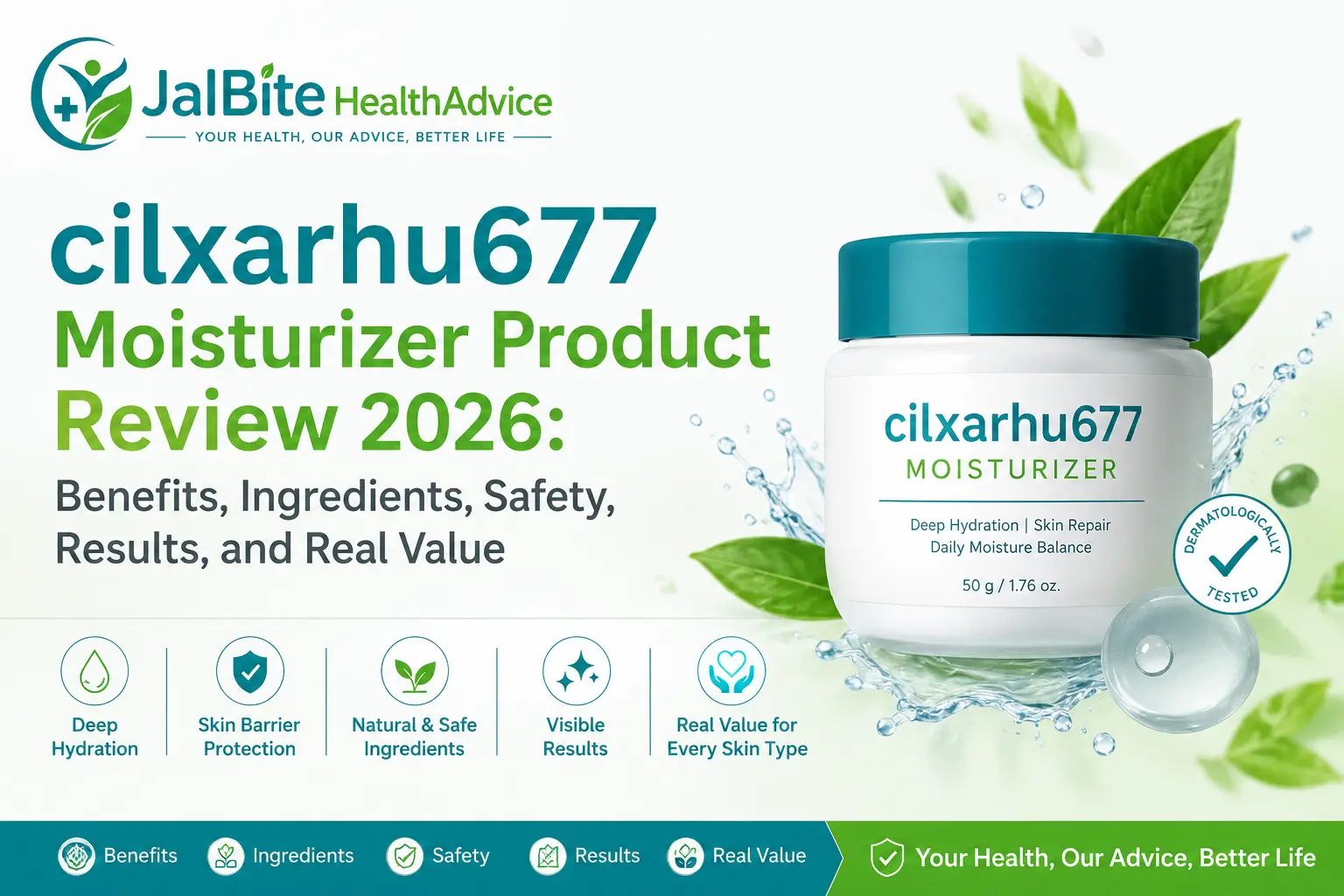
cilxarhu677 moisturizer product Review 2026: Benefits, Ingredients, Safety, Results, and Real Value


Is Zealpozold Safe? A Complete Guide for Smart and Responsible Users